Spilling the Tea: Why to Waterproof Your Basement BEFORE You Finish It.
Spill The Tea: Waterproof First or Finish First? (The Basement Version of “Which Came First—The Chicken or the Egg?”)
Let’s settle this once and for all.
When it comes to finishing your basement, the real question isn’t “Which came first—the chicken or the egg?” It’s waterproofing or finishing—and there’s only one right answer.
Waterproofing always comes first.
Finishing before waterproofing doesn’t protect your basement—it hides problems until they turn into expensive ones. So let’s spill the tea on why waterproofing is the foundation of every successful basement finish.
The Chicken-or-the-Egg Problem (Basement Edition)
Homeowners often ask:
“Can’t I just finish the basement and fix water issues if they show up later?”
That’s like building a house without a roof and hoping it doesn’t rain. Once water gets behind walls or under flooring, damage happens fast—and out of sight.
Tea spilled: Water doesn’t care how nice your basement looks.
Why Waterproofing MUST Come Before Finishing
1. Water Hides Behind Finished Spaces
Finished basements conceal moisture behind:
-
Walls and insulation
-
Framing
-
Flooring systems
By the time you see stains, smells, or buckling materials, mold and damage are already spreading.
2. Moisture + Traditional Materials = Trouble
Standard drywall, wood, and carpet absorb water and trap humidity. Once they’re wet, they often need to be completely removed—not repaired.
Waterproofing first prevents moisture from ever reaching your finished space.
3. You Protect Your Investment
A finished basement is a major upgrade—if it stays dry. Waterproofing first ensures:
-
No ripped-out walls after the first heavy rain
-
No ruined floors
-
No costly do-overs
Tea spilled: It’s always cheaper to do it right the first time.
Adirondack Basement Systems: Waterproofing Built Into the Finish
At Adirondack Basement Systems, our finishing systems are designed specifically for basements—where moisture is always a possibility.
Proven Waterproofing Solutions
Before finishing begins, we address water at its source with:
-
Interior drainage systems
-
Sump pump systems (with optional battery backup)
-
Vapor barriers to control moisture and humidity
-
Foundation crack repair
Because finishing should follow waterproofing—not replace it.
Waterproof Walls That Fit Your Space
Our basement wall systems are:
-
100% waterproof and mold-resistant
-
Available in full-height or half-height options
-
Designed to allow airflow and drainage behind the wall
-
Durable, clean, and finished—without drywall risks
Whether you want a fully finished look or a more open, functional basement, we have wall options to match your goals.
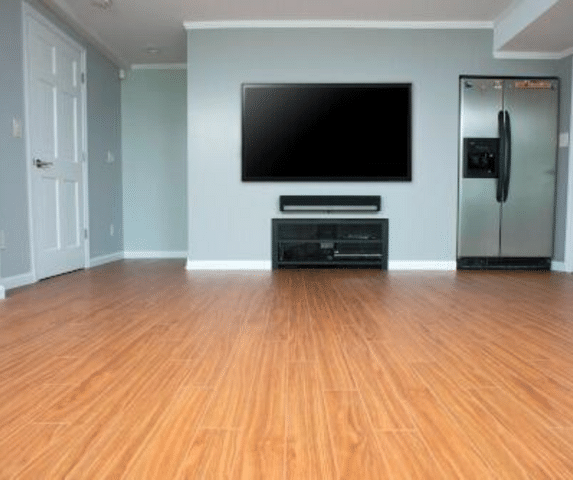
Flooring Made for Below-Grade Living
We offer waterproof tile and panel flooring designed specifically for basements:
-
Available in multiple colors and styles
-
Resistant to moisture, mold, and warping
-
Warmer and more comfortable than bare concrete
Unlike traditional flooring, these materials won’t be ruined by minor moisture or humidity changes.
Drainage Matting: Protection You Don’t See (But Need)
Under your finished floor, drainage matting plays a critical role:
-
Creates an air gap between the concrete slab and flooring
-
Allows moisture to flow to the drainage system instead of pooling
-
Helps regulate temperature and humidity
-
Adds comfort underfoot
Tea spilled: The best waterproofing is often what you never notice.
What Happens If You Finish First and Waterproof Later?
If water shows up after finishing:
-
Walls may need to be torn out
-
Flooring may need to be replaced
-
Mold remediation becomes necessary
-
Costs and stress multiply quickly
Water doesn’t negotiate—and it always finds the weakest point.
Final Sip: Waterproofing Is the Egg—Everything Else Comes After
If you’re finishing your basement, waterproofing isn’t optional—it’s step one.
Because a beautiful basement means nothing if it can’t stay dry.
This Spill The Tea Month, remember:
Waterproof first. Finish once. Enjoy it forever.