How Can I Improve The Air Quality In My Home During A Dry Winter?
Breathe Easier in Upstate NY: Why Indoor Air Quality Matters Right Now
Current Outdoor Air Quality Snapshot
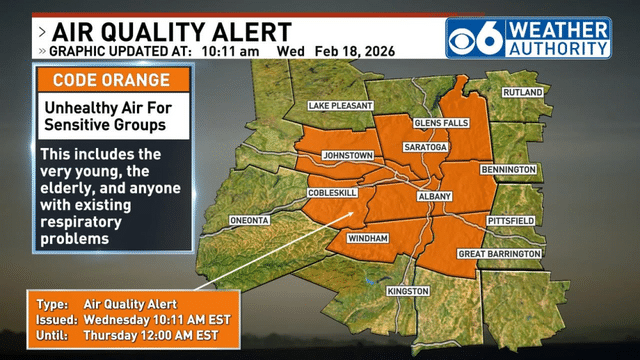
While real-time statewide AQI reporting for Upstate New York doesn’t always show up on AirNow’s national map at this very moment, other sources tracking regional AQI in the state indicate air quality across parts of New York can vary from “Good” to “Moderate.” For example, recent readings in Albany show an AQI around 50–60, which is in the Moderate category — meaning the air quality is acceptable overall, though some sensitive individuals might notice effects on certain days.
Historically and over the past months, Upstate New York’s air quality has been impacted periodically by fine particulate matter (PM2.5) from distant wildfire smoke, prompting air quality health advisories in regions like the Hudson Valley and Adirondacks — with AQI levels rising above 100 at times, categorized as unhealthy for sensitive groups.
Even when outdoor air quality is listed as moderate or good, small particles and pollutants can still affect indoor environments — especially in homes with basement dampness, older insulation, pets, or frequent cooking. That’s where indoor air quality technology becomes a health-focused investment.
What’s an Aspen Air Purifier and How Can It Help?
The Aspen Air Purifier is a whole-home or HVAC-integrated system designed to dramatically reduce indoor air pollutants. Here’s what makes it effective:
3-Stage Filtration for Powerful Protection
-
Allergy Filter — traps larger particles like dust, pet dander, pollen, and mold debris
-
Activated Carbon Filter — absorbs VOCs (volatile organic compounds), odors, chemical fumes, and smoke
-
Medical-Grade HEPA Filter — captures 99.97% of microscopic particles down to 0.1 microns including soot, smoke, bacteria, smog, and fine particulate matter.
This layered filtration means that even if outdoor AQI fluctuates due to wildfires or pollution events, your indoor air stays cleaner, reducing irritation to lungs and airways.
Aspen systems are also designed to avoid ozone generation (a concern with some UV or ionizer-based purifiers), so they provide safe, ongoing purification without byproducts that can irritate respiratory systems.
Why Pair It With a SaniDry Sedona Dehumidifier?
Humidity is often an unsung villain of indoor air quality — especially in regions like Upstate New York where basements, crawl spaces, and cool seasons can drive excess moisture.
The SaniDry Sedona is a high-efficiency dehumidifier that:
-
Removes excess moisture from the air, keeping relative humidity levels ideal (typically below 55%)
-
Helps prevent mold and mildew growth — significant sources of allergens and respiratory triggers
-
Reduces household dust mite activity, musty odors, and structural moisture damage
In contrast to standalone humidifiers or portable devices, Sedona units are designed for continuous, quiet operation and can be integrated into your home airflow system.
Why This Combo Works
-
Aspen targets airborne particles — and pulls invisible pollutants out of the breathing zone.
-
SaniDry Sedona mitigates humidity — reducing the conditions that let allergens, mold, and dust mites thrive.
Together, they provide a two-pronged indoor air quality solution rather than tackling just one element individually.
Why This Matters for Upstate NY Residents
Upstate New York might boast beautiful landscapes and fresh air — but area residents know air quality can be unpredictable, especially during periods of wildfire smoke traveling from Canada or when local sources of pollution spike. Indoor air can become a primary source of exposure to fine particles, moisture-linked allergens, and chemical pollutants even when outdoor levels appear moderate.
By investing in an Aspen air purifier and a SaniDry Sedona dehumidifier, homeowners can:
âœ”ï¸ Reduce allergens and irritants in the air
✔ Protect sensitive family members (children, elderly, asthma sufferers)
✔ Improve respiratory comfort during both pollution spikes and seasonal humidity fluctuations
Bottom Line
Clean indoor air isn’t just about comfort — it’s a health strategy, especially in areas with variable outdoor air quality. While Upstate New York’s current air quality might range from moderate to good on typical winter days, unhealthy air can arrive quickly during wildfire events or pollutant buildup. Investing in proven air purification and humidity control solutions today helps ensure your home remains a safe, breathable haven — no matter what’s happening outside.