Summer Home Problems Can Creep Up Faster Than a Sunburn: Protect Your Basement, Foundation & Concrete Before It 's Too Late!
Summer is finally here — bringing sunshine, pool days, backyard parties, and unfortunately, the perfect conditions for hidden home damage. Between extreme heat, heavy rain, rising humidity, and shifting soil, summer can quietly take a toll on your foundation, basement, concrete, crawl space, and even your windows before homeowners realize there’s a problem.
At Adirondack Basement Systems, we encourage homeowners to stay proactive during the warmer months because small warning signs now can quickly turn into costly repairs later (just like not wearing sunscreen!)
1. Don’t Ignore Basement Moisture & Summer Humidity
Summer humidity can create the perfect environment for:
- musty odors,
- condensation,
- mold growth,
- damp basement walls,
- and unhealthy air throughout your home.
Many homeowners assume basement moisture is “normal” during the summer, but excess humidity can eventually damage:
- flooring,
- drywall,
- insulation,
- stored belongings,
- and structural materials.
If your basement feels damp, smells musty, or develops condensation during hot weather, it may be time to inspect your waterproofing system, drainage, or sump pump before the next major storm arrives.
2. Heavy Summer Rain Can Expose Hidden Foundation Problems
Summer storms often dump large amounts of water in a short amount of time. When the soil surrounding your home becomes oversaturated, pressure builds against foundation walls and weak points begin to show.
Over time, this can lead to:
- foundation cracks,
- bowing walls,
- basement leaks,
- floor cracks,
- and structural settlement.
Watch for warning signs like:
- sticking doors or windows,
- cracks in walls or foundations,
- uneven floors,
- water stains,
- or walls that appear to lean inward.
Catching these problems early can help homeowners avoid much larger structural repairs later on.
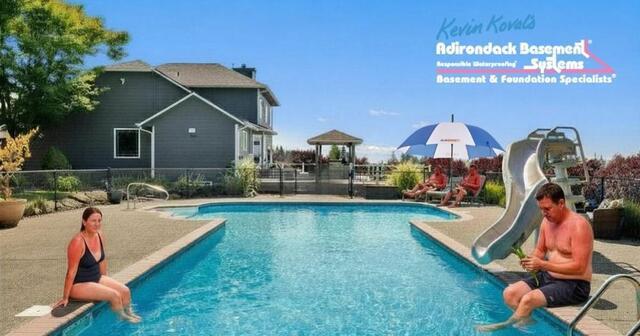
3. Protect Your Pool Deck From Sinking & Cracking
Pool decks take a beating during the summer months.
Constant sun exposure, fluctuating temperatures, water runoff, and soil erosion can all cause concrete slabs to:
- settle,
- crack,
- separate,
- or become dangerous trip hazards.
Uneven concrete around a pool is more than just cosmetic — it can quickly become a safety concern for family and guests.
Addressing settlement early can help:
- improve safety,
- prevent further cracking,
- reduce drainage issues,
- and extend the life of your concrete without full replacement.
4. Summer Heat Can Impact Your Windows, Too
Many homeowners don’t realize summer weather can also affect their windows and overall home efficiency.
Older or damaged windows may struggle during extreme heat and humidity, leading to:
- condensation between panes,
- rising energy bills,
- drafts,
- water intrusion,
- wood rot,
- and reduced indoor comfort.
If your home feels harder to cool during hot weather, or you notice foggy glass, moisture buildup, or leaking around window frames during storms, it may be time to consider an inspection before the damage worsens.
Properly functioning windows help:
- improve energy efficiency,
- reduce indoor humidity,
- protect against water intrusion,
- and keep your home more comfortable all summer long.
5. Summer Heat Can Dry Out Soil Around Your Foundation
Hot temperatures and dry conditions can cause the soil around your home to shrink and shift. Over time, this movement can cause foundations and concrete slabs to settle unevenly.
This may contribute to:
- foundation movement,
- cracks,
- uneven sidewalks,
- sinking patios,
- and gaps around windows or doors.
Homes built on clay-heavy soils are especially vulnerable to seasonal expansion and contraction.
6. Check Your Gutters & Drainage Systems Before Storm Season Peaks
One of the simplest ways to protect your home during summer is making sure water is directed away from your foundation properly.
Clogged gutters and poor drainage can cause rainwater to pool around your home, increasing the risk of:
- basement flooding,
- crawl space moisture,
- foundation settlement,
- and soil erosion beneath concrete slabs.
Before storm season intensifies, homeowners should:
- clean gutters,
- inspect downspouts,
- check grading around the home,
- and ensure sump pumps are working properly.
Small Problems Rarely Stay Small
One of the biggest mistakes homeowners make is waiting until damage becomes severe before scheduling an inspection.
What starts as:
- a small crack,
- a damp corner,
- foggy windows,
- or slightly uneven concrete
can eventually develop into a much larger and more expensive repair.
Summer is one of the best times to address these concerns while conditions are easier to inspect and repair.
Protect Your Home Before It’s Too Late
Whether you’re noticing basement moisture, foundation cracks, sinking pool decks, uneven concrete, or aging windows, taking action early can help protect your home through the hottest and wettest months of the year.
Your home works hard all year long — summer is the perfect time to make sure it’s protected from the ground up.