Foundation, Basement & Crawl Space Questions Homeowners Ask: What's Normal and What's a Warning Sign?
Your home doesn't always make it obvious when something is wrong with your foundation, basement, crawl space, or basement windows. A small crack, damp smell, sticking door, or puddle after a storm can leave homeowners wondering: Is this normal, or is something actually wrong?
Here are some of the most common questions homeowners ask—and what you should know before a small problem becomes a major one.
Is a Crack in My Foundation Normal?
Some small cracks can be cosmetic, particularly in newer concrete. However, the location, direction, size, and progression of a crack can provide important clues.
Horizontal cracks, widening cracks, stair-step cracks in masonry, or cracks accompanied by bowing walls or water intrusion deserve closer attention.
Can Foundation Cracks Get Worse?
Yes. Some foundation cracks remain stable, while others can change as soil pressure, groundwater, drainage, freezing and thawing, or settlement affect the foundation.
If you notice a crack getting longer or wider—or you see new cracks appearing—it's worth having the foundation evaluated.
Why Is My Basement Wet After Heavy Rain?
Heavy rain can expose weaknesses in your home's drainage and waterproofing system. Water may enter through foundation cracks, wall-floor joints, basement windows, or other vulnerable areas.
A basement that only leaks during major storms is still a basement with a water problem.
Why Is Water Coming Through My Basement Window?
Basement window leaks can be caused by poor drainage around the window well, clogged or inadequate drainage, deteriorated seals, groundwater pressure, or problems with the surrounding foundation.
If water repeatedly enters through the same window, replacing the window alone may not solve the underlying problem.
Do I Need a New Basement Window or Waterproofing?
It depends on where the water is coming from.
A damaged or deteriorated window may need replacement, but if water is entering because of groundwater buildup or inadequate window-well drainage, the surrounding drainage and waterproofing system may need to be addressed as well.
Is It Normal for a Crawl Space to Be Damp?
A crawl space shouldn't be treated as a naturally wet or consistently damp part of the house.
Persistent moisture can contribute to unpleasant odors, wood deterioration, poor indoor air quality, and other problems. Finding the source of the moisture is the first step toward determining the appropriate solution.
Why Does My Crawl Space Smell Musty?
A musty crawl space smell is often associated with excess moisture. Possible sources include groundwater, humid air, plumbing leaks, drainage problems, or moisture entering through the foundation.
Simply masking the smell doesn't address the cause.
Does My Crawl Space Need a Vapor Barrier?
A vapor barrier can help control moisture coming through the ground, but the appropriate crawl space solution depends on the condition of the space and where the moisture is coming from.
In some homes, moisture control may require more than simply placing plastic over the floor.
When Should I Worry About My Foundation?
Consider having your foundation evaluated if you're noticing:
- New or worsening cracks
- Bowing or leaning basement walls
- Water entering through foundation cracks
- Uneven or sloping floors
- Doors or windows that suddenly stick
- Gaps around doors or windows
- Repeated basement flooding
- Significant water intrusion after rain
- Persistent crawl space moisture
What's the Difference Between a Basement Water Problem and a Foundation Problem?
They're often connected—but they're not necessarily the same thing.
Water intrusion may be caused by drainage, groundwater pressure, window wells, sump pump issues, or foundation cracks. Structural foundation problems can involve settlement, lateral pressure, or movement of the foundation itself.
That's why identifying the source of the problem is more important than simply treating the symptom.
Should I Wait and See If the Problem Gets Worse?
If you're seeing a recurring problem, waiting can make it harder to determine when the issue began and whether it is changing.
The good news is that an evaluation doesn't mean you automatically need major repairs. The goal should be to understand what is happening, why it's happening, and what options are available.
Have Questions About Your Basement, Foundation or Crawl Space?
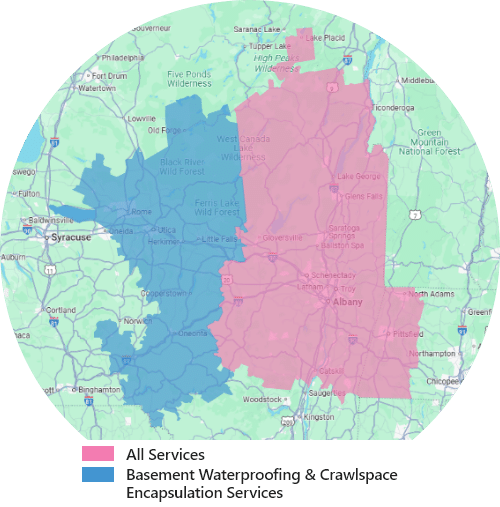
Adirondack Basement Systems helps homeowners throughout Upstate New York identify the causes of basement water problems, foundation movement, crawl space moisture, and related issues.
If you've noticed something unusual in your home, don't ignore it just because it seems small. Getting answers early can help you understand your options and make a confident decision about your home.