When Is a Foundation Crack Serious?
Finding a crack in your foundation can be unsettling. Some foundation cracks are relatively minor, while others can be a warning sign of foundation movement, water intrusion, or a more serious structural problem.
So, when is a foundation crack serious?
The answer depends on the crack’s size, location, direction, and whether it is changing over time. If you notice a new or worsening crack in your basement or foundation, it’s worth having it evaluated rather than simply hoping it goes away.
What Types of Foundation Cracks Should You Be Concerned About?
Not every foundation crack means your home is in immediate danger. However, certain characteristics can indicate that a crack deserves professional attention.
1. The Crack Is Getting Wider
A crack that continues to grow or become wider over time may indicate that your foundation is moving.
Pay attention to cracks that appear to be changing from season to season or after periods of heavy rain. Changes in soil moisture can put pressure on your foundation and contribute to movement.
2. The Crack Is Horizontal
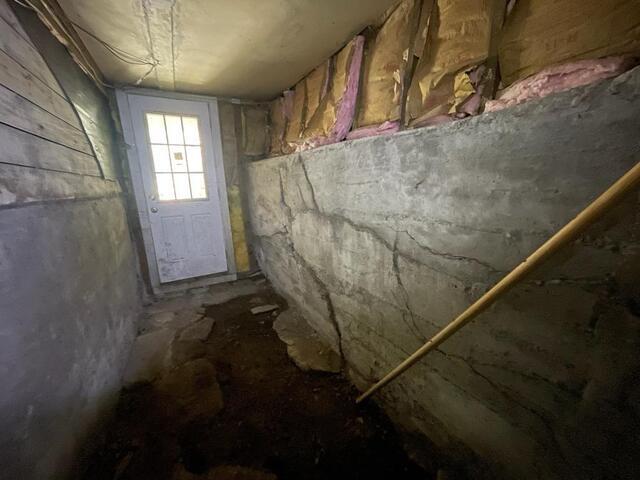
Horizontal cracks in poured concrete foundation walls deserve particular attention.
They can sometimes be associated with pressure from the soil outside the foundation. As pressure increases, the wall can bow or move inward.
If you notice a horizontal crack, especially one accompanied by bowing, leaning, or other signs of wall movement, it should be professionally evaluated.
3. The Crack Is Large or Uneven
A small, narrow crack may not be cause for immediate concern. A crack that is wide, uneven, or appears to have separation between the two sides can be more concerning.
The overall pattern matters just as much as the width of the crack.
4. Water Is Coming Through the Crack
If you see water, dampness, staining, or efflorescence around a foundation crack, the crack may be providing a pathway for water into your basement.
This is especially common during or after heavy rain.
Even if the crack isn't a structural problem, a leaking foundation crack is still a problem worth addressing. Repeated water intrusion can contribute to moisture problems, musty odors, damaged belongings, and an unhealthy basement environment.
5. You See Multiple Cracks
One small crack may not tell the whole story.
If you are finding cracks in several areas of your foundation, particularly if they appear to follow a pattern, it can be a sign that your home is experiencing broader foundation movement.
6. You Notice Other Signs of Foundation Movement
A foundation crack becomes more concerning when it's accompanied by other symptoms around your home.
Watch for:
- Bowed or leaning basement walls
- Doors or windows that suddenly stick
- Cracks in drywall or ceilings
- Uneven or sloping floors
- Gaps around doors or windows
- Cracks in brick or masonry
- Basement walls that appear to be shifting
- Water intrusion around foundation cracks
One symptom by itself doesn't necessarily mean you have a serious structural problem. But multiple signs occurring together deserve professional attention.
Are Vertical Foundation Cracks Serious?
Vertical cracks are common in foundation walls and can have several causes.
Some may occur as concrete naturally cures and shrinks. Others can be related to settlement or movement of the foundation.
The important thing is not to assume that every vertical crack is harmless—or that every vertical crack means your foundation is failing.
Location, size, age, movement, and water intrusion all matter.
If a vertical crack is growing, leaking, unusually wide, or accompanied by other foundation problems, have it evaluated.
What About Stair-Step Cracks?
Stair-step cracks typically appear along the mortar joints of brick, block, or masonry walls.
Depending on their location and pattern, they may indicate settlement or movement.
A small isolated crack isn't necessarily an emergency, but a stair-step crack that is widening or accompanied by other signs of movement should not be ignored.
Can Heavy Rain Make Foundation Cracks Worse?
It can.
After periods of heavy rain, the soil surrounding your foundation can become saturated. This can increase the amount of pressure against foundation walls and change the conditions around your home.
That's why homeowners sometimes notice new leaks or worsening foundation symptoms after a major storm.
If you've recently experienced heavy rain and discovered a new crack, water intrusion, or change in your basement walls, it's a good time to have the situation evaluated.
Should You Repair a Foundation Crack Yourself?
It depends on the cause.
A homeowner may be able to monitor a very small, stable cosmetic crack. However, filling a crack without understanding why it formed may only address the visible symptom.
If the crack is growing, leaking, horizontal, unusually wide, or accompanied by other signs of foundation movement, professional evaluation is a better first step.
A foundation professional can look at the entire wall and surrounding conditions to determine whether you're dealing with a cosmetic crack, water intrusion, settlement, or a more significant structural issue.
When Should You Call a Foundation Professional?
If you're asking yourself whether a foundation crack is serious, that's usually a good reason to have it checked.
Consider scheduling an inspection if:
- The crack is getting larger
- The crack is horizontal or stair-step shaped
- Water is entering through the crack
- You have multiple foundation cracks
- Your basement wall appears to be bowing
- You notice new cracks after heavy rain
- Doors, windows, or floors are changing at the same time
- You're unsure whether the crack is cosmetic or structural
It's much easier to address a foundation problem when you catch it early.
Don't Ignore the Crack—Understand What Caused It
The most important question isn't always, “How big is the crack?”
It's “Why is the crack there?”
A foundation crack can be a sign of something as simple as concrete shrinkage, or it can be associated with water pressure, settlement, soil movement, or foundation wall movement.
If you're concerned about a crack in your foundation or basement, the best next step is to have it evaluated by a qualified foundation professional.
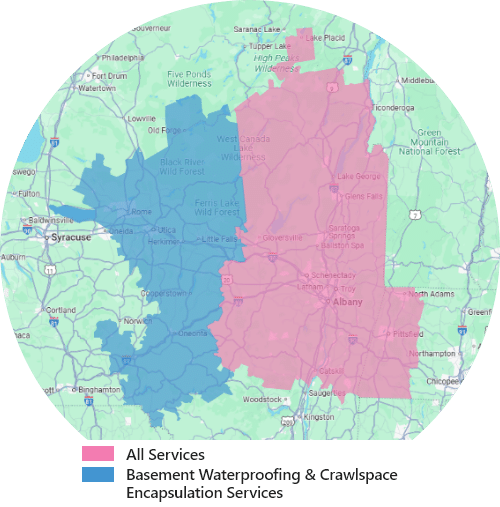
At Adirondack Basement Systems, we help homeowners throughout Upstate New York identify the causes of foundation problems and determine the appropriate solution. Whether you're dealing with a leaking crack, foundation movement, or another basement concern, an inspection can give you a better understanding of what's happening in your home.
Have a foundation crack you're concerned about? Don't wait until it gets worse. Contact Adirondack Basement Systems to schedule a professional evaluation.